
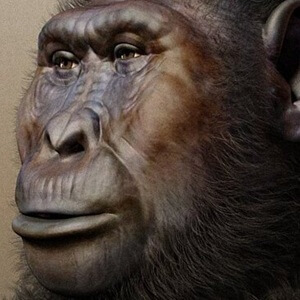
A recent fossil discovery in Ethiopia is giving scientists new evidence that early human evolution was far more complicated than the old “march of progress” image many people grew up with.
Researchers working in the Ledi-Geraru region found 13 fossil teeth dating to about 2.6–2.8 million years ago. The teeth appear to belong to two different hominin lineages. An early member of the genus Homo (our own broader human lineage), and a previously unknown species of Australopithecus he same general group that includes the famous fossil “Lucy.”
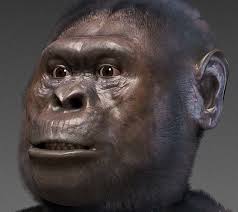
What makes the find important is that these species were living in the same place at the same time. That challenges the older idea that one ancestor species neatly evolved into the next in a straight line.
Instead, scientists now describe human evolution more like a branching bush or tree: several human-relative species existed simultaneously, some competed or occupied different ecological niches and most eventually went extinct.
The fossils were dated using volcanic ash layers in the Ethiopian sediments, which helped researchers place them in a critical period near the emergence of the first Homo species.
This discovery also fits with other Ethiopian finds showing overlapping human relatives. Lucy’s species (Australopithecus afarensis) may have lived alongside another species called Australopithecus deyiremeda.
Fossils like the “Burtele foot” suggest different hominins adapted to different lifestyles some better at climbing trees, others more adapted to walking upright.
One of the biggest takeaways is that there may have been at least four or five different hominin species living in Africa around this time. Scientists are now studying the tooth enamel to learn what these species ate and whether they competed for food or occupied separate ecological roles.

Leave a Reply
You must be logged in to post a comment.