

Moa were a group of large, flightless birds native to New Zealand that are now extinct. During the Late Pleistocene and Holocene periods, nine species existed across six genera. The largest species, Dinornis robustus and Dinornis novaezelandiae, could grow up to 3.6 metres (12 feet) tall with their necks extended and weigh around 230 kilograms (510 pounds).
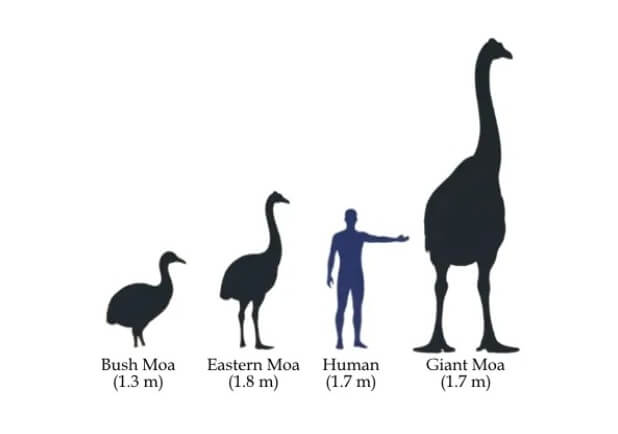
In contrast, the smallest species, the bush moa (Anomalopteryx didiformis), was roughly the size of a turkey. Estimates suggest that when Polynesians arrived in New Zealand around 1300 C.E., the moa population ranged between 58,000 and 2.5 million birds.
Firm succeeds in hatching live chicks from artificial eggs for the first time
The breakthrough could mark a significant step toward the potential revival of the extinct moa bird. Reports indicate that Colossal Biosciences, the company that previously claimed to have revived the dire wolf through the creation of live pups has developed an “artificial egg” capable of producing live chicks.
To test the technology, researchers transferred chicken embryos into a specially designed incubator that replicates the conditions of a natural egg. After several days, healthy chicks successfully hatched from the system.
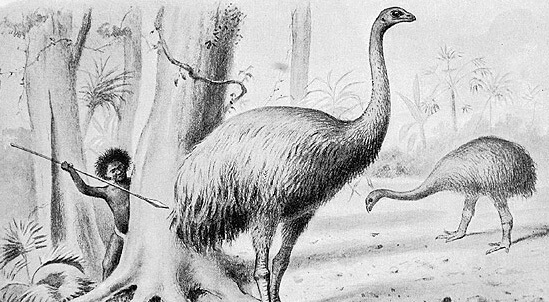
The company hopes the technology could eventually play a role in bringing the extinct moa bird back to life. Beyond de-extinction efforts, the system could also help incubate and hatch chicks from endangered bird species, offering potential benefits for conservation programs.
Some have even speculated that similar technology might one day contribute to the revival of prehistoric creatures such as dinosaurs, although Colossal Biosciences has stated that this is not part of its current objectives.
In recent months, the company has faced criticism over its claims of reviving the dire wolf, with several scientists arguing that the animals produced are not genuine dire wolves. Even so, if the artificial egg technology proves successful, it could represent a major scientific advancement.

Michael J
Dinosaurs , other than the aquatic species, would not be able to live in our current atmosphere. If you look at the fossilized species of large, plant eating animals they had huge necks, long bodies that were very massive . The air inlets, i.e. nostrils were relatively tiny compared to the size of the species. The reason they survived during their time was because atmospheric pressure is estimated at 2 times the current 14 psi. The percentage of oxygen was double along with CO2 that fed the large plant life, i.e. 30 ft ferns. So regardless of the small nasal passages the body could be totally oxygenated & function properly. Over time , species died out because the cataclysm , flood thinned the atmosphere, earth tilted on its axis and the poles became frozen. A possible comet hit as well causing instant flash freezing of mastadons. The times according to Darwinian evolution say that all occured over long time periods. Flooding causes a topsy turvy effect with debris. It didnt just get laid down via uniformitarianism. The later species are the ones to focus on. The Carolina parakeet would be a great candidate species to return to the American continent. There are species closely related that exist. The last parakeet died in captivity in the early 20thC. They lived in forested river areas in the Midwest to Southeast. We see cryptid species in certain bodies of water, like Loch Ness. The reason a pleasaur could survive is simply the pressure of deep water would allow oxygen to to move through giant bodies. Why can whales exist? The reason lined out about water pressure. The largest animal on earth, the Blue whale could not exist on land today. Some species of seals can dive to 8000 ft and eat schools of squid. Their bodies get compressed, which expands the O2 in the lungs.
Mike L
if I recall correctly, carrier pigeon was killed to extinction in North America. I think I’m correct.