
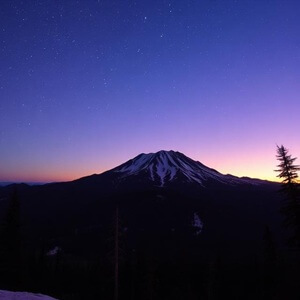
The Ape Canyon encounter is one of the most famous and dramatic Bigfoot-related stories in North American folklore. It allegedly took place in the summer of 1924 near the slopes of Mount St. Helens in the area that would later become known as Ape Canyon.
The Setting
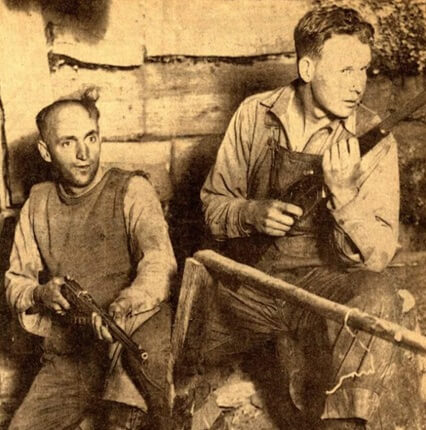
In July 1924, a group of miners was prospecting for gold in a remote region near Mount St. Helens. The men reportedly included Fred Beck, John Peterson, and several others. They were living in a small wooden cabin high on the mountain.
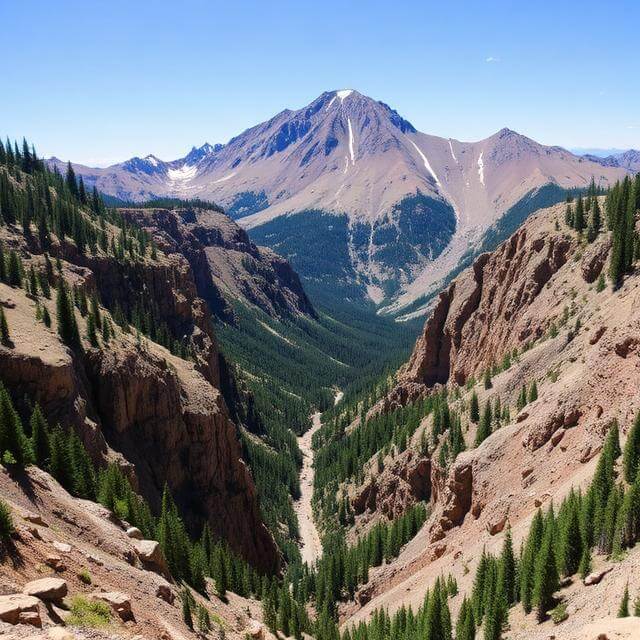
At the time, the area was extremely isolated, covered in dense forests and steep canyons. Stories of strange creatures in the region were already circulating among locals, but nothing had prepared the miners for what they claimed to experience.
The First Encounter
According to the miners, one day they spotted a large, hairy, ape-like creature standing on a ridge several hundred feet away.
The creature was described as:
- Covered in dark hair.
- Roughly 6 to 7 feet tall.
- Broad-shouldered and human-like in appearance.
- Walking upright.
One account claims that one of the miners fired a rifle at the creature after it failed to retreat. The creature allegedly staggered but escaped into the wilderness.
This incident is important because some later versions of the story suggest it may have triggered the events that followed.
The Night Attack
The most famous part of the story occurred a few nights later. The miners claimed they were asleep in their cabin when they heard strange noises outside. According to their accounts, something large was moving around the structure. Soon afterward, rocks began striking the cabin.
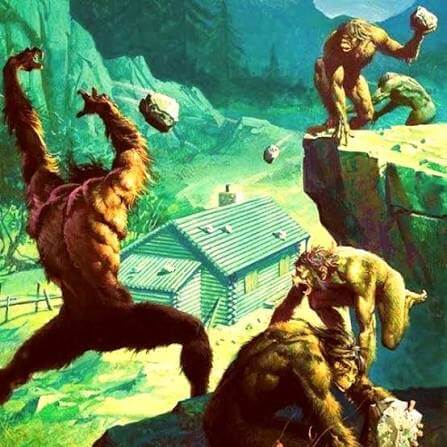
The bombardment allegedly intensified throughout the night.
The men reported hearing:
- Heavy footsteps.
- Scratching on the walls.
- Loud vocalizations.
- Objects hitting the roof.
They claimed the attackers hurled rocks large enough to damage the cabin and shake the structure.
At times, the miners said they could see shadowy figures moving outside in the darkness.
The men armed themselves with rifles and fired through windows and openings in the cabin whenever they thought they saw movement.
The siege reportedly continued for several hours.
Escape at Dawn
When daylight finally arrived, the miners cautiously emerged from the cabin.
They claimed to find:
- Numerous rocks scattered around the cabin.
- Damage to the roof and walls.
- Large footprints in the area.
Believing they were in danger, the group abandoned the cabin and left the mountain. The story quickly spread through newspapers across the Pacific Northwest.
How Ape Canyon Got Its Name
The canyon where the events allegedly occurred eventually became known as Ape Canyon because of the incident. Today, Ape Canyon is a real geographical feature on Mount St. Helens and remains a destination for hikers and Bigfoot enthusiasts.
The Main Witness: Fred Beck
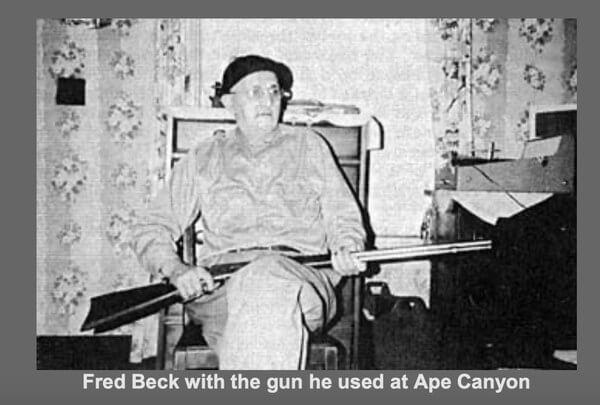
Years later, Fred Beck became the principal storyteller associated with the incident. In 1967, he published a book called I Fought the Ape-Men of Mount St. Helens. However, Beck’s later accounts differed in significant ways from the original newspaper reports. He added details involving mysterious lights and spiritual interpretations.
Why the Story Endures
The Ape Canyon encounter remains one of the most compelling Bigfoot legends because:
- It involved multiple witnesses.
- Reports appeared in newspapers shortly after the event.
- The alleged attack was unusually aggressive.
- The location still exists and can be visited.
- It helped shape modern Bigfoot folklore decades before the term “Bigfoot” became widely known.
Unlike many Bigfoot stories that involve a brief sighting, the Ape Canyon tale describes an extended confrontation lasting an entire night, which is one reason it continues to fascinate researchers, skeptics, and cryptid enthusiasts more than a century later. The Ape Canyon story remains one of the most famous mysteries in American wilderness folklore.

Johanna V
Gold or no gold, if I saw a native american guide, together with a white arrow floating in the air, pointing to anything, I’d be outta there so fast. What’s interesting, though, is that Ron Moorhead also reported seeing rods of lights suspended in the air. These are very close to white arrows, or close enough. Rod-like shapes and arrows are very similar. The Native guide aspect is cool, but following an arrow in hopes of riches, naw, we’re good. Also interesting, what would have happened if they didn’t shoot at the Sas? Would everything have been all good? Get your gold, have fun, no harm, no visits to the cabin? Legendary account, experience, and story.