

Moa were a group of large, flightless birds native to New Zealand that are now extinct. During the Late Pleistocene and Holocene periods, nine species existed across six genera. The largest species, Dinornis robustus and Dinornis novaezelandiae, could grow up to 3.6 metres (12 feet) tall with their necks extended and weigh around 230 kilograms (510 pounds).

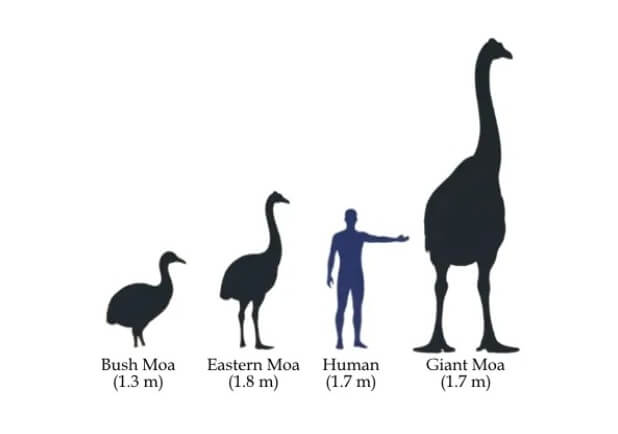
In contrast, the smallest species, the bush moa (Anomalopteryx didiformis), was roughly the size of a turkey. Estimates suggest that when Polynesians arrived in New Zealand around 1300 C.E., the moa population ranged between 58,000 and 2.5 million birds.
Firm succeeds in hatching live chicks from artificial eggs for the first time
The breakthrough could mark a significant step toward the potential revival of the extinct moa bird. Reports indicate that Colossal Biosciences, the company that previously claimed to have revived the dire wolf through the creation of live pups has developed an “artificial egg” capable of producing live chicks.
To test the technology, researchers transferred chicken embryos into a specially designed incubator that replicates the conditions of a natural egg. After several days, healthy chicks successfully hatched from the system.
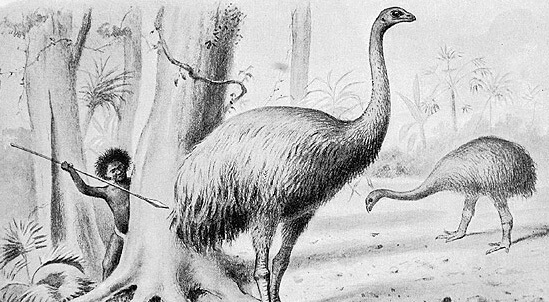

The company hopes the technology could eventually play a role in bringing the extinct moa bird back to life. Beyond de-extinction efforts, the system could also help incubate and hatch chicks from endangered bird species, offering potential benefits for conservation programs.
Some have even speculated that similar technology might one day contribute to the revival of prehistoric creatures such as dinosaurs, although Colossal Biosciences has stated that this is not part of its current objectives.
In recent months, the company has faced criticism over its claims of reviving the dire wolf, with several scientists arguing that the animals produced are not genuine dire wolves. Even so, if the artificial egg technology proves successful, it could represent a major scientific advancement.