

The story of the “Aswang psychological operation” is one of the most famous and unsettling examples of Cold War psychological warfare.
Background: The Huk Rebellion
After World War II, the Philippines faced an insurgency led by the Hukbalahap (often called the Huks), a communist-aligned guerrilla movement that operated mainly in rural Luzon. The Philippine government, supported by the United States, sought to defeat them.
A key figure in the counterinsurgency effort was Edward Lansdale, a U.S. Air Force officer who worked closely with the CIA and became known for unconventional psychological operations.
The Aswang
The Aswang is a feared creature from Filipino folklore a broad category of monsters often described as shape-shifters, vampires, ghouls, or man-eating beings. Belief in the Aswang was widespread in many rural communities.
Lansdale believed that successful psychological warfare required exploiting local beliefs and fears. According to accounts that trace back to Lansdale’s own memoirs, a government psywar team spread rumors that an Aswang was haunting a hill where Huk fighters were camped.

The Operation
A Huk patrol moved through the area at night and the U.S. psywar team allegedly captured the last man in the patrol without the others noticing. They killed him, punctured his neck to resemble an Aswang attack, drained the body of blood, and left the corpse where the patrol would find it. When the Huk fighters discovered what appeared to be a bloodless victim, they reportedly believed an Aswang had attacked him. The guerrilla unit abandoned the area. Historians generally agree that psychological warfare campaigns were used extensively against the Huks, and multiple sources, including Lansdale’s own writings describing the Aswang incident.

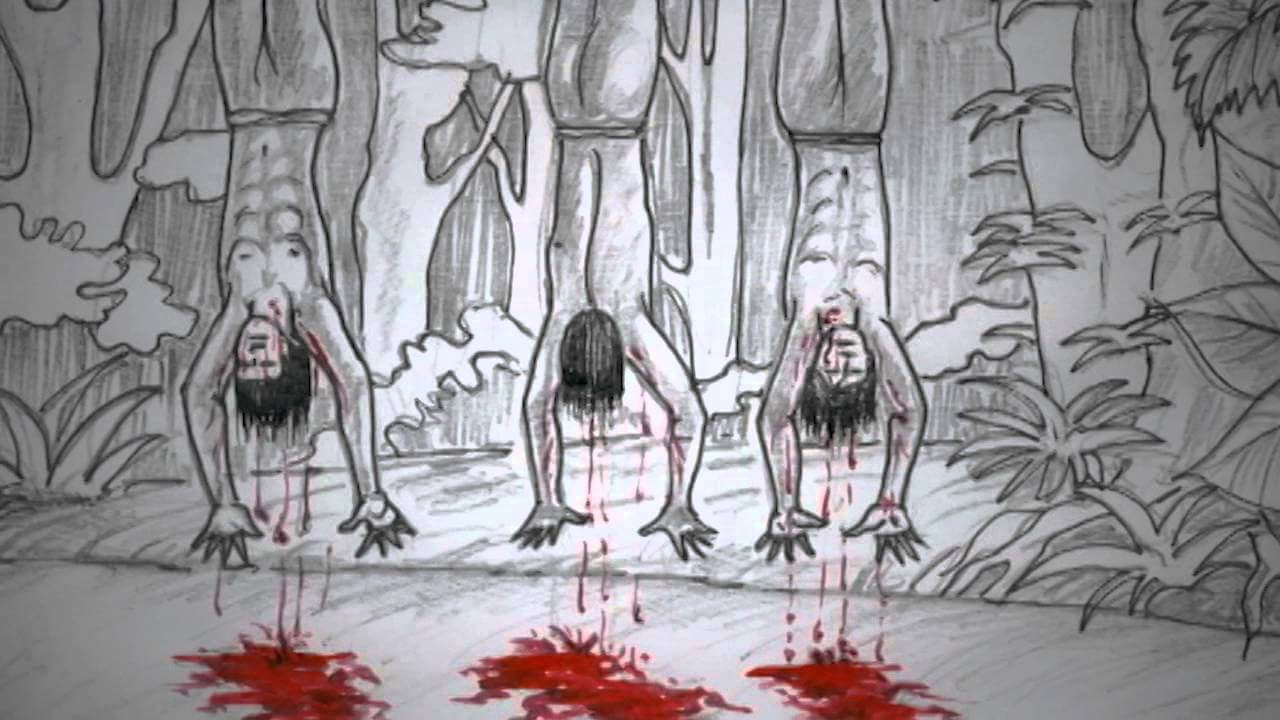
The Aswang operation is remembered because it demonstrates a core principle of psychological warfare:
Rather than defeating an enemy through force alone, you exploit existing beliefs so that people frighten themselves, fear can be weaponized as effectively as guns.
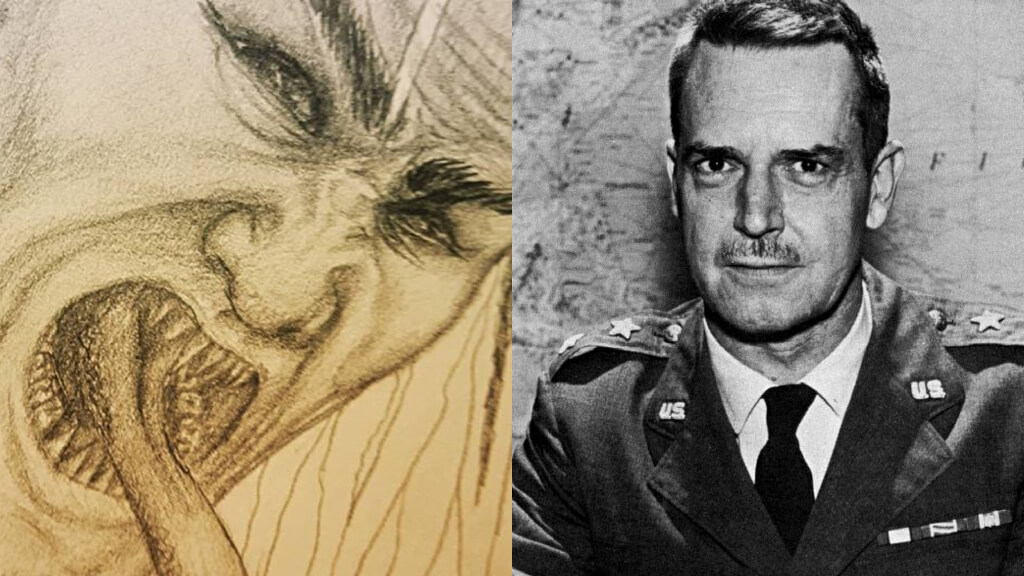
.